gcczep
Ever Onward...
Led Fairport
Joe Boyd
The DNA of creativity
by Anil Prasad
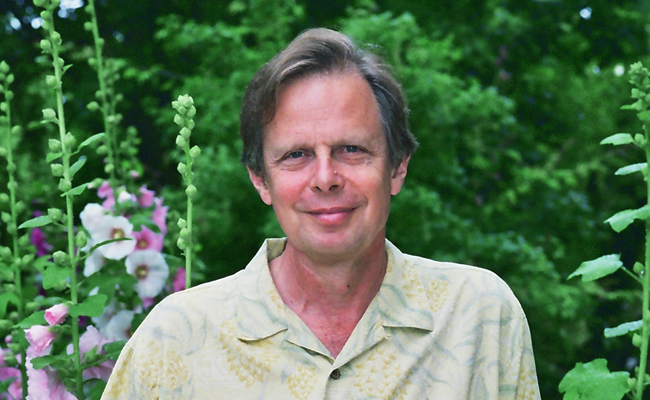
For Joe Boyd, making music is a personal act. He’s unquestionably one of the 20th century’s most important and influential producers, having helmed landmark recordings for the likes of Nick Drake, Sandy Denny, Fairport Convention, Kate and Anna McGarrigle, Pink Floyd, R.E.M., and Richard Thompson, just to name a few. The Boyd aesthetic is about making recordings that reflect the visceral emotional reality of the artist. His approach is about capturing a live feel, employing tasteful overdubs where required, and avoiding studio gimmickry. He’s also unafraid of pushing artists beyond their comfort zones, forcing them to confront shortcomings, and fighting for a vision designed to make the best record possible, even if it results in friction.
He has also played major roles in the music industry, overseeing the British arm of Elektra Records and running the fabled UFO club in the ‘60s. In addition, he ran his own production company Witchseason, as well as Hannibal Records, which are collectively responsible for some of the most important world music, folk, and folk-rock recordings ever issued. His sonic fingerprints are also found in the film world, having served as head of music for Warner Brothers Films, where he was responsible for the soundtracks of A Clockwork Orange and Deliverance.
Boyd has captured vivid snapshots of his music production and industry escapades in the 2006 book White Bicycles: Making Music in the Sixties. It offers a thorough and engaging look at many of the key, early highlights of his career.
This interview emerged from random encounters with the still youthful-looking 71-year-old at Kronos Quartet and Tony Allen shows in San Francisco during 2013. After running into him twice in three days, Innerviews took the cue from the universe and connected with Boyd for a conversation. We began by discussing Way to Blue and Sing Me the Songs, two live concert tribute albums he recently released, covering the work of Nick Drake and Kate McGarrigle, respectively.
Led-Zeppelin excerpt:
You’re in possession of the legendary Led Zeppelin/Fairport Convention jam multitracks from the L.A. Troubadour in 1970. Have you ever considered attempting to get them released?
I would never be allowed to release them. The ghost of Led Zeppelin’s manager Peter Grant would come and put a stake through my heart if I ever did anything with them, including putting them up on YouTube. But it was a cool night. There were a lot of memorable things about it. It was Jimmy Page, Robert Plant and John Bonham. John Paul Jones wasn’t there. I don’t think Bonham played much. It was mainly Plant and Page who got up onstage and joined Fairport. They did things like “Hey Joe,” “That’s Alright Mama,” “Mystery Train,” and other stuff. This was after Sandy Denny had left Fairport, so it was the all-male Fairport lineup.
I have some great memories from that show. Now, one of the problems with live recording on a small stage like the Troubadour is the amps are right behind the vocal mic. So, when you go to mix the thing, you’ve got so much signal from the amps spilling down the vocal mics that it’s difficult to get a good sound on the voice. And when you raise the voice by riding the vocal level, you get more of the guitar or bass, or whatever it is nearest to the vocal mic. But with Plant in this case, it was the opposite. [laughs] Plant is so loud that his voice was spilling down the mics in front of the amps. In those days, you didn’t have direct inputs from the amps. You had to put a mic in front of the amp to record it. You didn’t have split leads going straight into the boards. So, Plant would start singing and I’d have almost as much vocal as guitar on the mic in front of the amp because he’s so ****ing loud. There was no danger of the vocal being drowned out by the guitars.
I also remember Fairport doing one of those jigs and reels pieces while Page tried to play it. It was a pretty good attempt and then Richard Thompson took over and played the rest. Page just looked at Richard with this “What planet are you from?” look on his face. [laughs] He just couldn’t imagine how Richard could do what he did, that fast.
My favorite memory though, is Peter Grant. Now, Peter was a thug. Led Zeppelin wanted a thug. They wanted a shark to deal with the sharks. That was the great theory of band management in those days. So, Peter was with them that night. It was late. The band came to the Troubadour after playing the L.A. Forum, a sports arena. Fairport were winding down their last set. The Troubadour was a very relaxed place. Doug Weston, the owner, loved music and was all in favor of spontaneous things happening. But he had to deal with very strict licensing laws. It was a really good evening happening at the Troubadour, but at 2 am, they had to get the booze off the tables, but you could keep playing. So, 10 minutes before 2 am, the waitresses said “Drink up. We have to take your glasses in a few minutes.” At three minutes before 2 am, the waitresses were out there with trays picking up wine, beer and cocktail glasses. Everybody knew this was part of the ritual of the Troubadour. At 2 am, Fairport started playing a ballad called “Banks of Sweet Primroses” with Dave Swarbrick singing. It’s a beautiful song with lots of open space. It just has drums with a little chording from Richard and Simon Nicol, and Dave doing a little riff on the fiddle. It’s very still and silent. And when John Wood and I were listening back to the multitracks, you hear this beautiful first verse, and just at the end of it, you hear this rattle of glasses and the sound of something smashing against wood. Then you hear the voice of Peter Grant yelling “You ****ing bitch! Get your hands off my ****ing glass!” [laughs] He was sitting right near the front of the stage, so it went right down the vocal mic. He didn’t know the Troubadour routine.
Joe Boyd
The DNA of creativity
by Anil Prasad
For Joe Boyd, making music is a personal act. He’s unquestionably one of the 20th century’s most important and influential producers, having helmed landmark recordings for the likes of Nick Drake, Sandy Denny, Fairport Convention, Kate and Anna McGarrigle, Pink Floyd, R.E.M., and Richard Thompson, just to name a few. The Boyd aesthetic is about making recordings that reflect the visceral emotional reality of the artist. His approach is about capturing a live feel, employing tasteful overdubs where required, and avoiding studio gimmickry. He’s also unafraid of pushing artists beyond their comfort zones, forcing them to confront shortcomings, and fighting for a vision designed to make the best record possible, even if it results in friction.
He has also played major roles in the music industry, overseeing the British arm of Elektra Records and running the fabled UFO club in the ‘60s. In addition, he ran his own production company Witchseason, as well as Hannibal Records, which are collectively responsible for some of the most important world music, folk, and folk-rock recordings ever issued. His sonic fingerprints are also found in the film world, having served as head of music for Warner Brothers Films, where he was responsible for the soundtracks of A Clockwork Orange and Deliverance.
Boyd has captured vivid snapshots of his music production and industry escapades in the 2006 book White Bicycles: Making Music in the Sixties. It offers a thorough and engaging look at many of the key, early highlights of his career.
This interview emerged from random encounters with the still youthful-looking 71-year-old at Kronos Quartet and Tony Allen shows in San Francisco during 2013. After running into him twice in three days, Innerviews took the cue from the universe and connected with Boyd for a conversation. We began by discussing Way to Blue and Sing Me the Songs, two live concert tribute albums he recently released, covering the work of Nick Drake and Kate McGarrigle, respectively.
Led-Zeppelin excerpt:
You’re in possession of the legendary Led Zeppelin/Fairport Convention jam multitracks from the L.A. Troubadour in 1970. Have you ever considered attempting to get them released?
I would never be allowed to release them. The ghost of Led Zeppelin’s manager Peter Grant would come and put a stake through my heart if I ever did anything with them, including putting them up on YouTube. But it was a cool night. There were a lot of memorable things about it. It was Jimmy Page, Robert Plant and John Bonham. John Paul Jones wasn’t there. I don’t think Bonham played much. It was mainly Plant and Page who got up onstage and joined Fairport. They did things like “Hey Joe,” “That’s Alright Mama,” “Mystery Train,” and other stuff. This was after Sandy Denny had left Fairport, so it was the all-male Fairport lineup.
I have some great memories from that show. Now, one of the problems with live recording on a small stage like the Troubadour is the amps are right behind the vocal mic. So, when you go to mix the thing, you’ve got so much signal from the amps spilling down the vocal mics that it’s difficult to get a good sound on the voice. And when you raise the voice by riding the vocal level, you get more of the guitar or bass, or whatever it is nearest to the vocal mic. But with Plant in this case, it was the opposite. [laughs] Plant is so loud that his voice was spilling down the mics in front of the amps. In those days, you didn’t have direct inputs from the amps. You had to put a mic in front of the amp to record it. You didn’t have split leads going straight into the boards. So, Plant would start singing and I’d have almost as much vocal as guitar on the mic in front of the amp because he’s so ****ing loud. There was no danger of the vocal being drowned out by the guitars.
I also remember Fairport doing one of those jigs and reels pieces while Page tried to play it. It was a pretty good attempt and then Richard Thompson took over and played the rest. Page just looked at Richard with this “What planet are you from?” look on his face. [laughs] He just couldn’t imagine how Richard could do what he did, that fast.
My favorite memory though, is Peter Grant. Now, Peter was a thug. Led Zeppelin wanted a thug. They wanted a shark to deal with the sharks. That was the great theory of band management in those days. So, Peter was with them that night. It was late. The band came to the Troubadour after playing the L.A. Forum, a sports arena. Fairport were winding down their last set. The Troubadour was a very relaxed place. Doug Weston, the owner, loved music and was all in favor of spontaneous things happening. But he had to deal with very strict licensing laws. It was a really good evening happening at the Troubadour, but at 2 am, they had to get the booze off the tables, but you could keep playing. So, 10 minutes before 2 am, the waitresses said “Drink up. We have to take your glasses in a few minutes.” At three minutes before 2 am, the waitresses were out there with trays picking up wine, beer and cocktail glasses. Everybody knew this was part of the ritual of the Troubadour. At 2 am, Fairport started playing a ballad called “Banks of Sweet Primroses” with Dave Swarbrick singing. It’s a beautiful song with lots of open space. It just has drums with a little chording from Richard and Simon Nicol, and Dave doing a little riff on the fiddle. It’s very still and silent. And when John Wood and I were listening back to the multitracks, you hear this beautiful first verse, and just at the end of it, you hear this rattle of glasses and the sound of something smashing against wood. Then you hear the voice of Peter Grant yelling “You ****ing bitch! Get your hands off my ****ing glass!” [laughs] He was sitting right near the front of the stage, so it went right down the vocal mic. He didn’t know the Troubadour routine.