

mr_crowley
New Member
[Excerpt below - continue reading at my Substack page!]
To paraphrase Rodney Dangerfield, Pearl Jam don’t get no respect.
This is of course not literally true. The band’s had 30+ years of platinum records, immortal singles and raucous live shows. They enjoy one of the most passionate fanbases in rock. But outside that fanbase lies a fearsome & judgmental sea known as the “general public.” To them, the band lacks a key thing: a “Grand Artistic Statement,” an album that defines a core ethos, declares a left turn and executes it to perfection.
Such works scatter the lists of greatest albums ever. Sgt. Pepper established the archetype. Radiohead’s Kid A may be the quintessential example. And a relevant one can be found right back in Seattle with Nirvana’s In Utero. Yet Pearl Jam is often absent at the top of these lists.
Pearl Jam hardly needs such a frivolity. Their Grand Artistic Statement is their catalog itself, its consistency & diversity. But why don’t Kid A’s or In Utero’s flowers rain down on them, too?
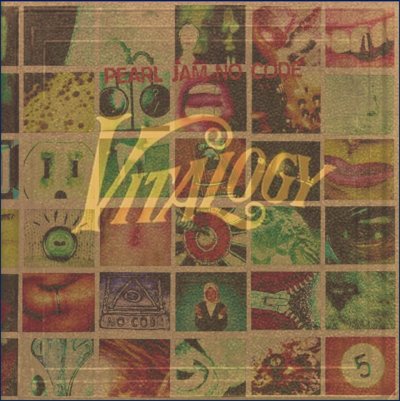
The answer is that this singular left turn album, for Pearl Jam, is spread across TWO albums: 1994’s Vitalogy and 1996’s commercial self-immolation, No Code. Each one is driven by an experimental, individualist, and singular philosophy, but both fall short of rock pantheon standards — for quite different reasons.
[Continue reading here]